Ever wonder what secrets are locked away behind the glitz and glamour of the casino world? Forget the high-roller suites and the roulette wheels; the real jackpot lies hidden in plain sight: casino libraries. These aren’t your typical book repositories. They’re treasure troves of gaming history, revealing untold stories and holding historical riches you won’t find anywhere else.
Consider these libraries the unsung heroes of gambling lore. Think of rare photographs documenting the evolution of casino architecture, meticulously kept records of legendary poker games, and enough published material to fill a book. This text aims to peel back the curtain and reveal the hidden gems within these fascinating institutions. Prepare to explore a world where every page turn unearths a new piece of the puzzle that is casino history.
Gems Among the Stacks: Notable Casino Library Treasures
Casino libraries are vaults of untold stories, holding far more than just dusty books. They are repositories of casino memorabilia, filled with rare documents, historical photographs, and gaming artifacts that offer a unique window into the evolution of gambling and entertainment. These aren’t just collections; they are curated time capsules. They are treasures that capture the spirit of chance, glamour, and risk that define the casino world.
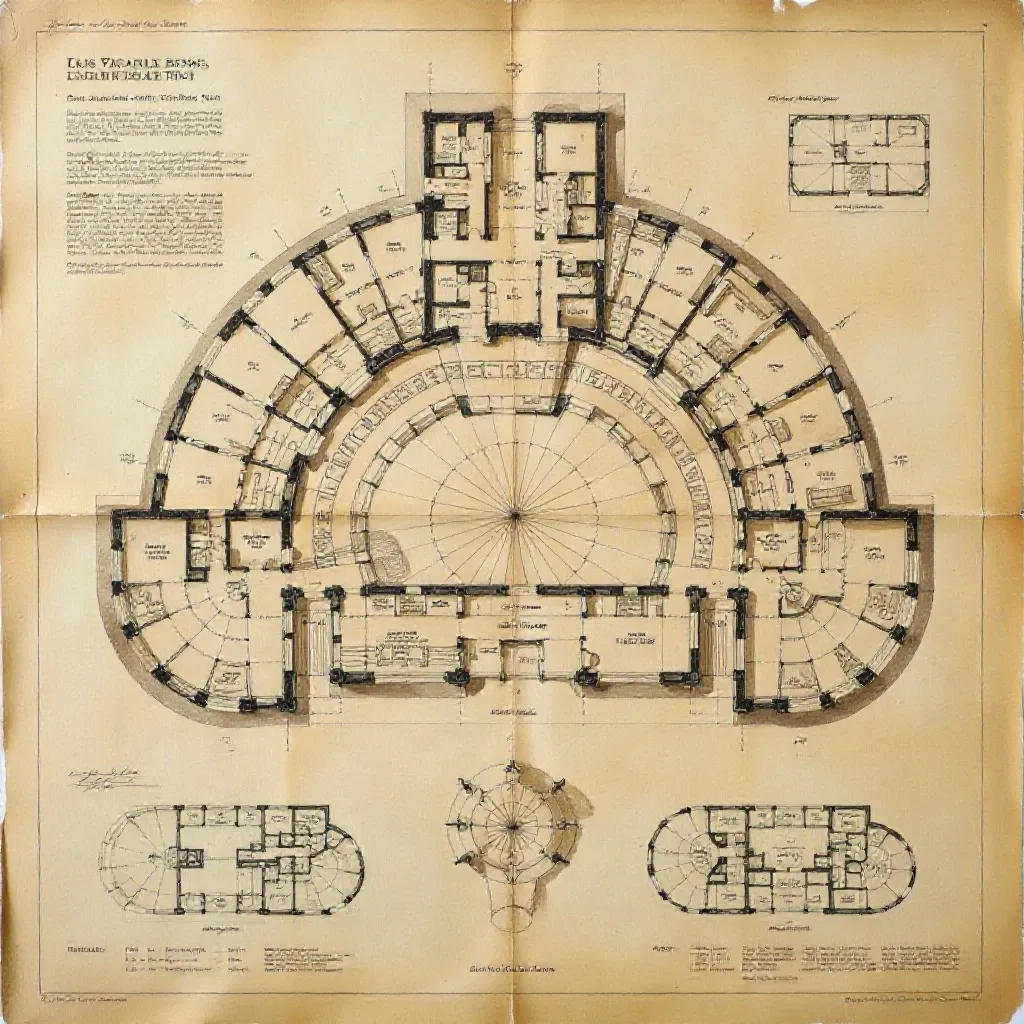
Imagine holding in your hands the original architectural plans for The Flamingo, meticulously detailing Bugsy Siegel’s ambitious vision for a desert oasis. The libraries house such treasures, offering a glimpse into the minds of the visionaries who shaped Las Vegas. These plans, fragile and yellowed with age, reveal not just the building’s layout but the very essence of Siegel’s dream.
Beyond blueprints, you might discover handwritten letters from legendary gamblers; maybe a missive from a high-roller detailing a particularly audacious bet, or correspondence discussing strategy. These personal notes offer intimate insights into the lives and minds of those who lived and breathed the casino atmosphere.
Casino libraries aren’t just about the big names; they also preserve the everyday details of casino life. Consider vintage menus from iconic restaurants, showcasing not only the culinary trends of the time but also the prices and ambiance that defined the dining experience. Or perhaps a meticulously preserved employee handbook, outlining the code of conduct and expectations for those working behind the scenes.
For those interested in the mechanics of gaming, a casino library might reveal first-edition copies of Hoyle’s Rules of Games. These antique books, with their intricate diagrams and detailed explanations, provide a fascinating look at how the rules of chance have evolved over time. Examples of gaming artifacts, dice, marked cards or even antique slot machines could occur. These objects, often beautifully crafted, offer a tangible connection to the history of gambling.
These casino library treasures exist in dedicated casino research centers, historical societies with focused collections, and even within the archives of long-standing casinos. They are invaluable resources for researchers, historians, and anyone seeking to delve deeper into the captivating world of casinos.
Access Granted: How to Explore Casino Libraries
Gaining access to casino libraries is like getting a backstage pass to the history of gaming. It requires a bit of finesse, some polite persistence, and a genuine interest in the materials they hold. Here’s how to navigate the process:
- Identify Your Target: Start by determining which casino libraries are most relevant to your research. Focus on libraries with collections that align with your goals; there can be a lot of material, ensure you focus on the topics that matter to your work.
- Crafting Your Inquiry: Your initial contact is crucial.Draft a polite and professional email outlining your research project, and be clear, concise, and include your affiliation. Explain what materials you’re interested in and why. Address your email to the archivist or librarian if possible. If a specific name isn’t available, a general inquiry to the “Special Collections Department” may suffice.
- Contacting Archivists: Before visiting, always confirm access policies, as access is not guaranteed and is at the discretion of the casino or institution. Contact the library by phone or email to discuss your needs and schedule a visit, and be prepared to provide identification and a brief explanation of your research.
- Research Permissions: Some materials may have restrictions on access or reproduction. Be prepared to request permission to view or copy certain documents, and respect any limitations placed on their use.
- Visiting the Library: On the day of your visit, arrive prepared with any necessary materials, such as a notebook, pencils (pens are usually prohibited), and a laptop for taking notes. Familiarize yourself with the library’s rules and regulations, and treat the materials with care. Follow any instructions provided by the library staff.
- Research Etiquette: Remember that casino libraries are often private or semi-private institutions, be respectful of the library staff and other researchers. Keep noise to a minimum, and ask for assistance if needed.
Remember, archivists and librarians are invaluable resources. Building a positive relationship with them can greatly enhance your research experience. Be appreciative of their time and assistance, and acknowledge their support in your research findings.
Beyond the Felt Table: What are Casino Libraries?
Casino libraries and archives are specialized repositories of information, meticulously preserving the history, operations, and culture of gaming establishments. These aren’t your typical public libraries filled with novels and research papers. Instead, they are treasure troves of corporate records, marketing materials, architectural plans, employee documents, and a vast collection of casino-related memorabilia.
The purpose of casino libraries evolved alongside the gaming industry itself. Initially, these collections served primarily as internal resources for legal, regulatory, and operational needs. As casinos grew into entertainment behemoths with significant cultural impact, their libraries expanded to encompass a wider range of materials, documenting everything from celebrity performances to the evolution of slot machine technology.
What distinguishes casino libraries from typical or historical libraries is their intense focus and corporate alignment. While a historical library might contain materials broadly related to a city’s past, a casino library zeroes in on the history of a specific casino or gaming corporation. This creates a highly specialized collection, offering a unique and in-depth perspective on the world of gambling and entertainment. These special libraries are focused on Nevada and Las Vegas history.
Untapped Troves: Why Casino Libraries Matter
Casino libraries are not just repositories of gambling lore; they are valuable resources for researchers, students, and enthusiasts seeking a deeper understanding of the gaming world. These collections offer insights into the evolution of casino culture, economic forces driving the industry, and its multifaceted impact on society.
For researchers delving into casino history research, these libraries provide primary source materials unavailable elsewhere. Imagine uncovering internal marketing documents revealing how casinos targeted specific demographics, or studying employee training manuals that shed light on operational strategies and customer service techniques. These are the types of unique data points that paint a comprehensive picture of the industry’s inner workings.
The potential research avenues are extensive. Scholars can analyze betting patterns to discern social trends or explore architectural designs to understand how casinos create immersive environments. From economic analysis of revenue streams and investment strategies to cultural impact studies examining the portrayal of casinos in media, these libraries offer a wealth of information.
Furthermore, for those interested in gaming industry insights, casino libraries provide a lens through which to view the evolution of gambling beyond mere entertainment. They showcase how casinos adapted to changing regulations, technological advancements, and societal attitudes. Far beyond movies and pop culture, casino libraries are real archives of gaming, finance, architectural design, and social change.
Case Study: Mining Information Gold within Casino Archives
Imagine stepping into the archive of a casino resort like a composite of Harrah’s Entertainment and MGM. Forget the flashing lights and ringing slots; here, it’s about meticulously piecing together the story of this entertainment behemoth. This isn’t just historical tourism; it’s primary source research that offers unprecedented insights into architectural evolution.
Our research methodology begins with a focused topic: the architectural adaptations of the casino floor over time. What drove these changes – evolving customer preferences, new gaming technologies, or perhaps shifts in regulatory frameworks? To answer this, we dive into blueprint collections, renovation proposals, and internal memos detailing design decisions.
The archival discovery process is iterative. A blueprint from 1985 might reveal an initial layout, while subsequent documentation unveils expansions, the addition of high-roller suites, and the strategic relocation of gaming tables. Correspondence between architects and casino management illuminates the “why” behind these transformations. Did the introduction of video poker necessitate a reconfiguration of space? Did the rise of themed resorts influence aesthetic choices?
Gaming industry analysis isn’t just about what games are popular, but how the physical space is molded to maximize profitability and customer engagement which might reflect in those documents. By combining architectural records with internal communications, researchers are able to trace the evolution of casino design and its deep connection to the bottom line. This case study exemplifies how archival resources transform into tangible industry insights.
Navigating Ethical Considerations and Usage Rights
Utilizing people search resources demands a strong commitment to ethical conduct and a clear understanding of usage rights. Copyright restrictions are a primary concern. Materials found online or in archives are often protected, limiting how they can be reproduced or shared. Before incorporating information into any project, it is crucial to determine the copyright status of the material.
Gaining permission for use might be necessary, particularly when dealing with private archival holdings or copyrighted works. Institutions and individuals who own the rights to such materials often have specific procedures for requesting authorization. Following these procedures diligently demonstrates respect for intellectual property and avoids potential legal issues.
The fair use doctrine allows limited use of copyrighted material without permission for purposes such as criticism, commentary, news reporting, teaching, scholarship, and research. However, fair use is a complex legal concept, and its applicability depends on specific circumstances. Seeking legal counsel is advisable if unsure whether a particular use qualifies as fair use.
Responsible citation is vital, regardless of whether permission is required. Credit the original source of information meticulously. This practice acknowledges the work of others and adds credibility to your own research. Respectful handling of sensitive information, especially concerning living individuals, is also paramount. Approaching people search with a responsible and ethical attitude ensures that these powerful tools are used appropriately.
The Future of Casino Libraries: Preservation and Accessibility
The treasures held within casino libraries offer a unique window into the evolution of gaming. Archival preservation is paramount, ensuring these resources survive for future scholars and enthusiasts. Digital accessibility is becoming increasingly important, allowing wider audiences to explore online collections of gaming history.
Community engagement through forums and online resources can foster a deeper appreciation for gaming heritage. Libraries are beginning to embrace digitalization to safeguard fragile materials. The ongoing development of online resources and social forums will allow all to better understand gambling’s rich heritage. Continued support, increased access, and further research are essential to preserving these invaluable collections.